New Articles
Edomae Sushi
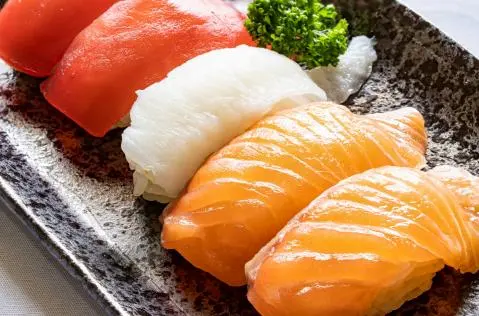
Edomae Sushi (江戸前寿司, Edomae sushi) refers to nigiri sushi and sushi rolls crafted by skilled sushi chefs using fresh seafood sourced from Tokyo Bay. At traditional Edoma...

Fukagawa Meshi
Fukagawa Meshi (深川めし, Fukagawa meshi) originated as a simple, hearty meal for fishermen in the Fukagawa area and became a staple of common folk. In the Edo period, it was...
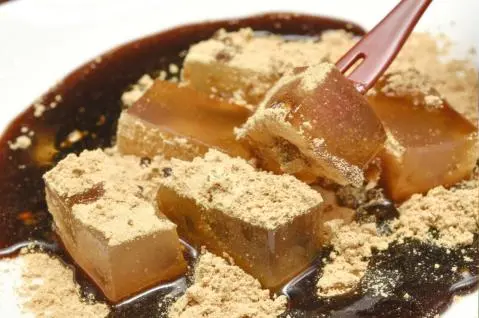
Kuzumochi
Kuzumochi (くずもち, Kuzumochi) from the Kanto region is believed to have been named with alternate kanji to differentiate it from Kansai’s “Kuzumochi,” which uses arrowroot sta...
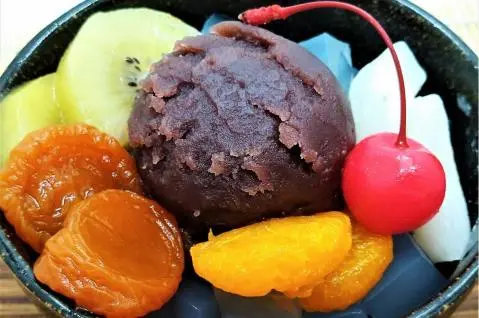
Anmitsu
Anmitsu originated in Ginza in the 1930s, when sweet bean paste was added to mitsumame, which originated in Asakusa. It is also a seasonal word for summer, and comes in many var...
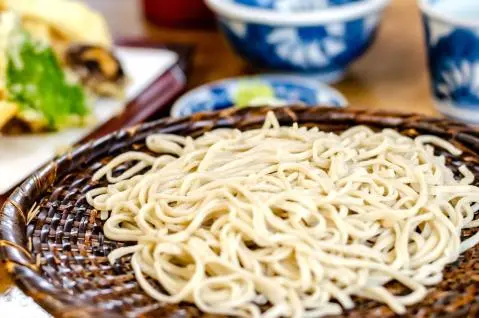
Jindaiji Soba
Rice was not well suited to the area’s land, while its well-drained soil and abundant spring water were ideal for growing buckwheat, and soba cultivation took root here. Althoug...


Hachioji Ramen
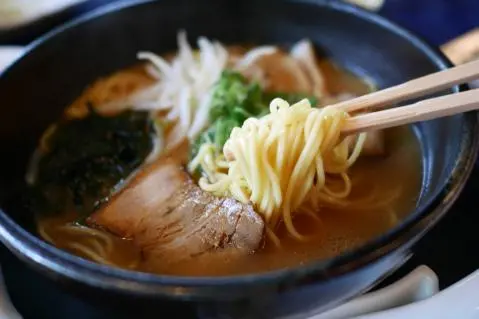
This ramen highlights the sweetness of onions. Its broth is soy sauce-based, with lard adding sweetness and a distinctive richness. Since the start of the 21st century, Hachioji...
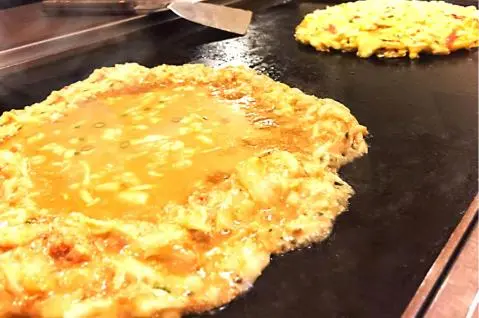
Tsukishima Monjayaki
One account says monjayaki got its name from “mojiyaki” (“grilled letters”), because people used the batter to write characters on the griddle. It is made by mixing wheat flour ...
Saba Heshiko
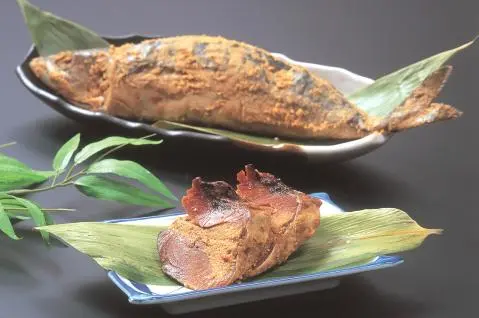
Heshiko is a traditional dish from the Wakasa region of Fukui Prefecture, made by salt-curing mackerel and then packing it in rice bran. It is prepared when mackerel is caught i...

Wakasa Fugu
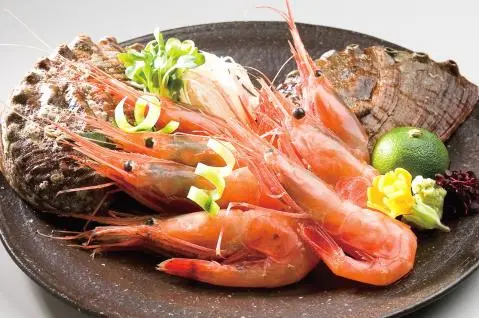
Fukui Prefecture is said to be the northernmost area where tiger pufferfish, often called the “king of fugu,” are farmed. Carefully raised by local producers, these fish are sol...
Echizen Crab
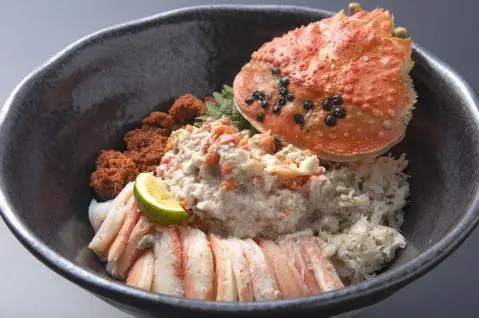
Echizen crab is known as one of Japan’s top-brand snow crabs and refers to male snow crabs landed in Fukui Prefecture. Its firm flesh and rich, flavorful taste are its hallmarks...

Echizen Oroshi Soba
Echizen soba is eaten mainly in Fukui Prefecture’s Reihoku region. It is characterized by dark, firm noodles and a distinctive dipping sauce generously mixed in advance with gra...

Natural Eel
Wild eel is caught in the Mikata Five Lakes area of Wakasa, Fukui Prefecture. Eel from the lakes is also known as kuchiboso-aunagi (“slender-mouthed blue eel”). It has a slightl...
Oboro Kombu Saba Sushi
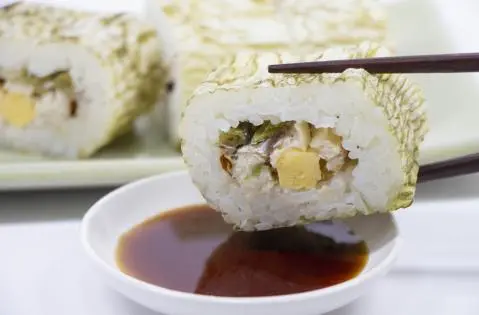
Thick slices of fresh local mackerel are cured in a house-blended vinegar and served over vinegared rice with fragrant sesame and sweet pickled ginger. The sushi is wrapped in H...

Sauce Katsudon
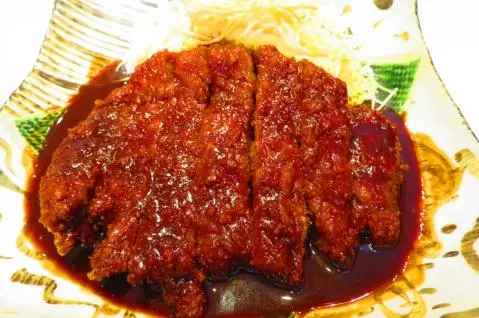
When people hear “katsudon,” they generally picture a fried cutlet simmered with egg. In Fukui, however, katsudon means Sauce Katsudon, served with sauce. At first glance, it m...
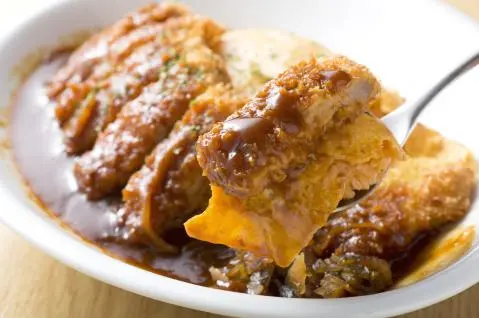
Volga Rice
Volga Rice is a local specialty served in Echizen City, Fukui Prefecture, in the area formerly known as Takefu. It is a Western-style dish of omelet rice topped with a cutlet an...

Buri Daikon
Yellowtail is an essential part of Ishikawa’s traditional food culture. Yellowtail and daikon are an excellent match, and Buri Daikon has long been cherished as a local dish in ...

Firefly squid
Toyama Prefecture is well known for firefly squid, but they are also caught in Oku-Noto, Ishikawa Prefecture, as a spring delicacy. Fresh firefly squid enjoyed in season is exce...

Gorojima Kintoki
Gorojima Kintoki is a sweet potato grown mainly in the Gorojima and Awagasaki districts of Kanazawa, Ishikawa Prefecture, and in the Uchinada dunes. It has deep purple skin and ...

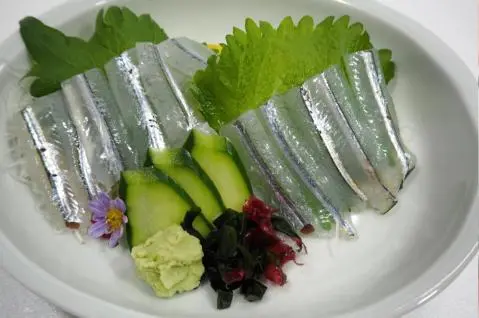
Sayori Sashimi
Ishikawa Prefecture ranks among Japan’s top producers of sayori (Japanese halfbeak). It is in season from early March to late May. Its translucent, elegant flesh is a mild white...

Hanton Rice
Hanton rice, also called Hanton-style rice, is a Japanese yoshoku dish known as a local specialty of Kanazawa, Ishikawa. It consists of omelet rice topped with fried food and se...
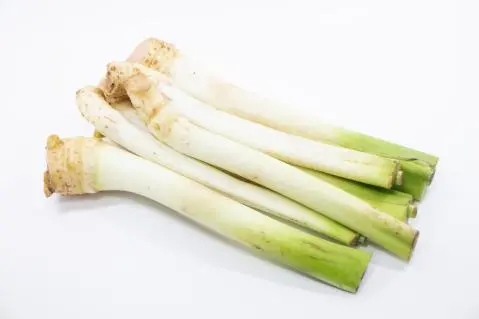
Zuiki
In Ishikawa, zuiki refers to the leaf stalks of Yatsugashira, a type of taro. The stalks are peeled, boiled, and often served dressed with vinegar. With a clean, refreshing tast...