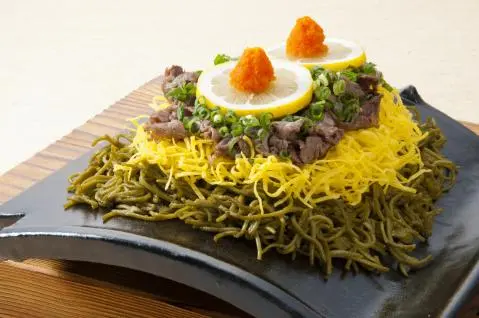
Japanese Cuisine - Seafood
Cooking Classes in Japan
airKitchen allows travelers from all around the world to book and experience authentic cooking classes. Chose your best cooking class from 1000+ classes.

Sawachi Ryori
Sawachi ryori is a hearty local specialty featuring sashimi, seared bonito (katsuo no tataki), sushi, and other dishes arranged on a large platter. It is served at gatherings in...

Olive Hamachi
Olive Hamachi is farmed in Kagawa Prefecture using feed mixed with powdered olive leaves, the leaves of Kagawa’s prefectural tree. The timing and duration of feeding are careful...

Aji no Sanbai
Aji no Sanbai is fresh horse mackerel that is grilled and then marinated in sanbaizu, a seasoned vinegar mixture. At summer festivals, it was often served as a snack alongside d...

Urume Iwashi Maruboshi
The name iwashi (sardine) is said to come from the fish’s delicate nature: it loses freshness quickly and dies soon after being caught. Urume refers to its eyes, which look mois...
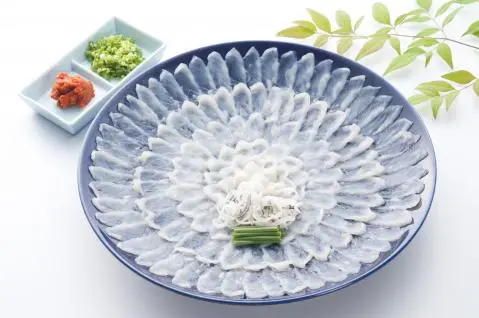

Sea urchin
The islands of Oshima and Mishima off Hagi, along with the Kitaura coast, are known for producing red sea urchin. The popular red sea urchin fishing season runs roughly from Apr...

Unnan Yakisaba
Yakisaba, a local dish from Unnan City in Shimane Prefecture, reflects a distinctive food culture that developed in this inland area around the use of fresh mackerel. Its origin...
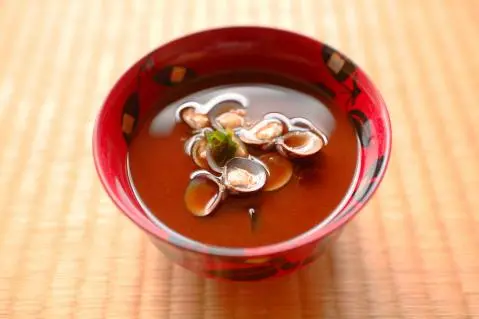
Shijimi-jiru
Shijimi clams are one of the Lake Shinji Seven Delicacies, and shijimi-jiru is a representative dish made with them. It is commonly prepared at inns and in homes. Lake Shinji is...

Tottori Matsuba-gani
Matsuba-gani is the name for mature male snow crab. With its densely packed meat and refined umami, it is one of Tottori’s signature winter delicacies. The Matsuba-gani fishing ...


Mamakari Vinegar Marinade
Vinegar-marinated mamakari is one of Okayama Prefecture’s local dishes. The fish is said to have earned its name because it is so delicious that people would borrow rice (“mama”...
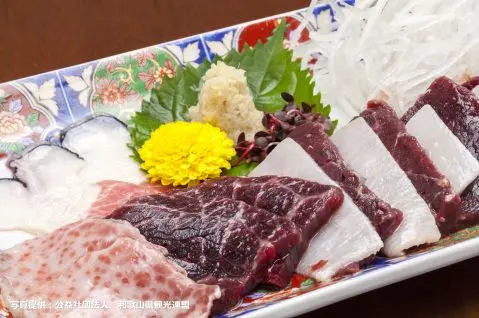
Wakayama Kujira
Taiji, in Higashimuro District, Wakayama Prefecture, is known as the birthplace of whaling in Japan. Commercial whaling is regulated, and strict catch limits set by the governme...
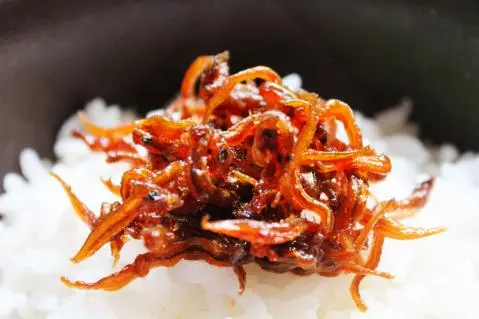
Ikanago no Kugini
Ikanago no kugini is a tsukudani made by simmering young sand lance with soy sauce, sugar, mirin, ginger, and other ingredients until sweet and savory. It is a local dish of Hyo...
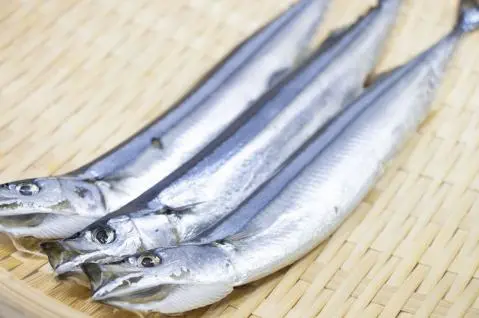
Sanma no Maruboshi
Sanma no Maruboshi, a specialty of Higashi-Kishu in Mie Prefecture, is also known as *su-boshi* (simply dried saury). Dried in the cold winter winds of the Kumano-nada Sea, it i...
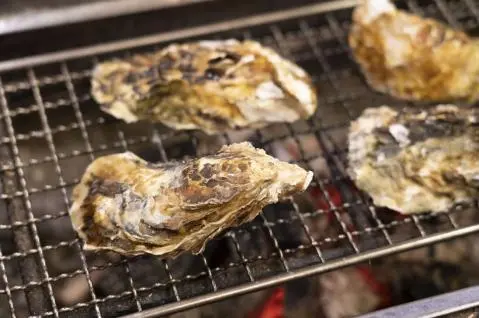
Uramura Oysters
Uramura oysters are farmed in Oura Bay in Uramura-cho, Toba City, Mie Prefecture. Uramura-cho is located at a river mouth, and the calm waters of Oura Bay are rich in food for o...